
Welcome to Potter
The Village of Potter is still going strong today and progressing towards the future. Over the years, volunteers have done a lot and continue to do a lot to keep the community alive in the changing times. The residents of Potter take great pride in their community and it shows in many of the projects that have been accomplished over the years.
Potter offers clean public restrooms, a public library, post office, reading garden, youth center, bank, school, community hall, two museums, two parks, antique store, newspaper, restaurants, coffee shop, boutique shopping, the famous Tin Roof Sundae, duckpin bowling, 7 hole golf course, Potter Days, Carbowl, PNCC Off Road Racing, and more.

Things to Do in Potter
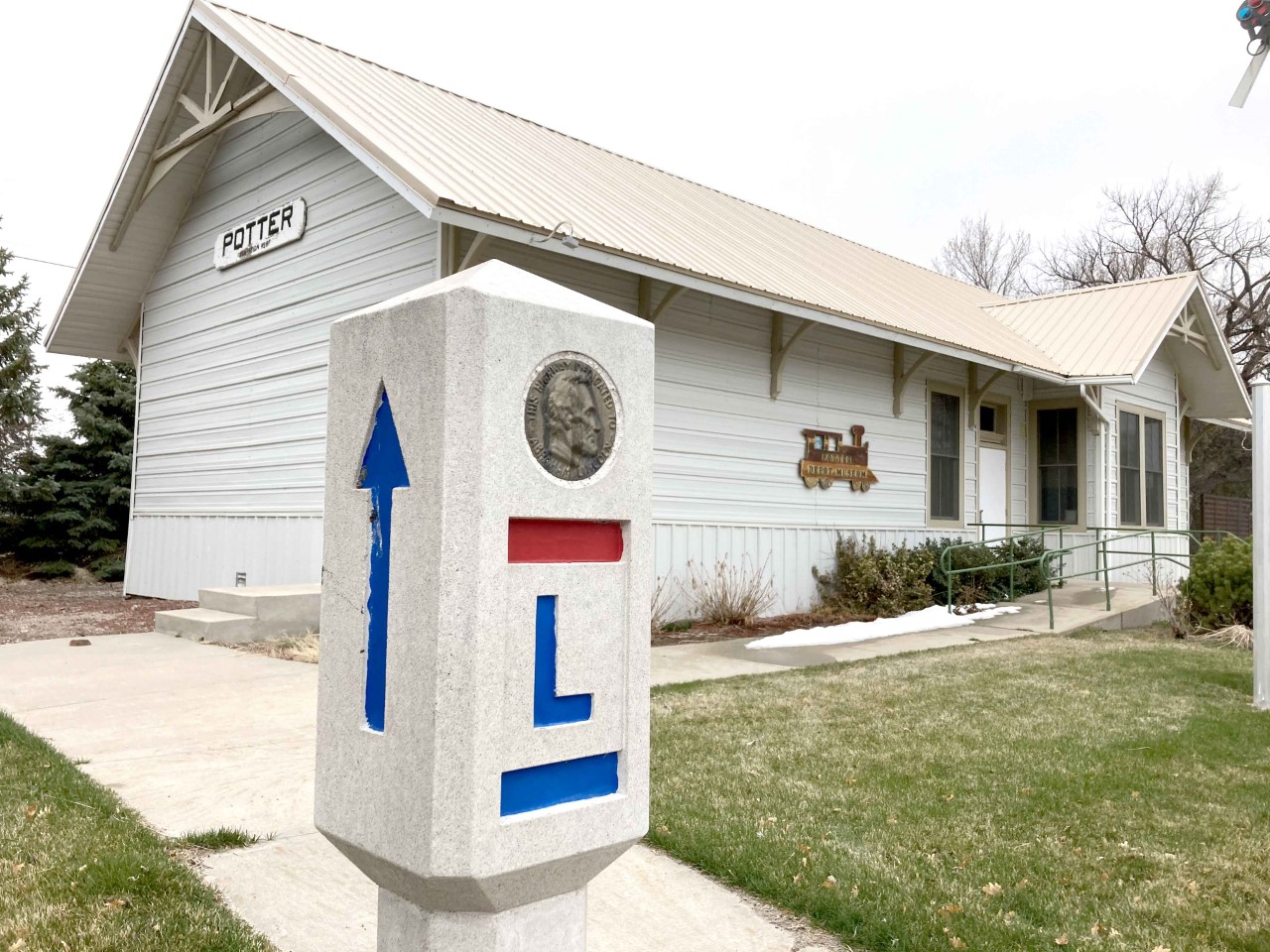
Potter Museums
Potter offers the Potter Museum and the Potter Depot Museum.
The Potter Museum was the original Potter Post Office and houses a local military display, a large photographic print of Potter from over 100 years ago, a school bell from the Herdon school, and even a piece of the Potter meteorite. 942 Sherman Street
The Potter Depot Museum began as a small Union Pacific Railroad settlement and depot midway between Kimball and Sidney. This depot was constructed in 1885 and remained in use until 1971. 845 Front Street

Tin Roof Sundae
Make your way to the Potter Sundry to enjoy a famous Tin Roof Sundae, which was created back in the 1930s and named for the tin ceiling in the historic downtown building.
324 S Chestnut St

Duckpin Bowling
Potter’s historic duckpin bowling alley is believed to be the only one west of the Mississippi River. Duckpin bowling began in Maryland in 1900 and was one of Babe Ruth’s favorite games.
328 Chestnut St
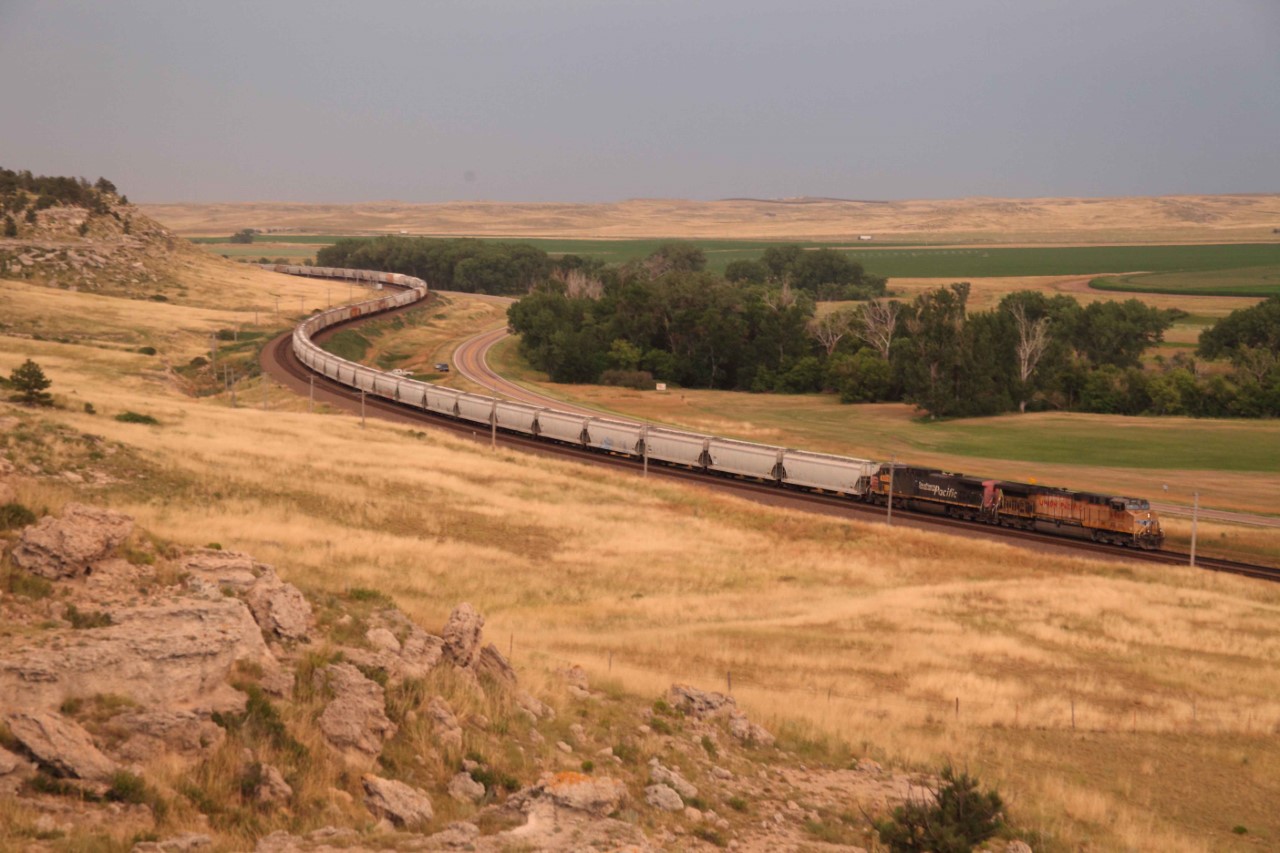
Point of Rocks
The Point of Rocks, or “Buffalo Bend,” is located just a few miles east of Potter along Lincoln Highway and Lodgepole Creek, the longest creek in the world.
Altercations between Indians and the track-laying crews of the railroad occurred there.
It is the sharpest curve on the Union Pacific Railroad line.
Potter History
The Village of Potter was established as the railroad progressed westward. The town was named after General Joseph S. Potter, a Union Pacific Railroad Director. In 1870, Union Pacific built a station house and it served as the post office, the schoolhouse, and the land development office. It was the only building built for several years.
Progress towards advancement began in 1885, when a hotel was built and shortly after stores began popping up, a newspaper called the Potter Review was created, and a church was built. In 1892, due to a big crop, grain bins were built to hold the oats and wheat the local farmers were growing.
After years of drought and hard times, things began to look up for the community in 1904 when the Kinkaid Amendment was passed. The Kinkaid Amendment was part of the Homestead Act of 1862, and granted a full section (640 acres) to new homesteaders settling in 37 counties in western Nebraska. After the amendment was passed, in 1907 the first bank was organized, and many improvements were done to the community such as installing sidewalks and developing water and electrical systems. During this time the town was incorporated, and by 1915, the town’s brick schoolhouse had been built.
During the 1920’s the town prospered, a library and a power plant with a second generating unit were built, and a volunteer fire department was formed. In 1929, the Lincoln Highway was built and the original route was through town down Front Street. The route was changed to a by-pass on the south side of the tracks to keep noise and traffic through town down.
The community’s first Potter Days was held in 1936, and the first prize drawing was a brand new Chevrolet. The tradition of Potter Days continues today, and is held annually over Labor Day weekend. There is a parade, drawings, contests, exhibits and a dance or two.